Vineland Elite Roofing has handled roofing in Woodbury and across South Jersey for more than 20 years, and much of the work here starts with a date on a calendar rather than a drip in a bucket. A closing is scheduled, a lease is ending, or a new tenant is lined up, and someone wants to know what shape the roof is in before the house changes hands.
That timing changes what a good roofer should do. Our first job is to find out whether there is a real problem, where the water is getting in, and whether a repair will handle it. We check the attic as well as the roof surface, because the stain on a bedroom ceiling rarely sits directly under the spot where the water enters.
When we do recommend work, the estimate comes back itemized. Tear-off, decking, underlayment, flashing, ventilation and gutters each get their own line, so a seller, a buyer or a landlord can set our number beside anyone else’s and see exactly where the two differ, instead of comparing one lump sum against another.
Woodbury’s Housing Inspection at Sale and Tenant Turnover
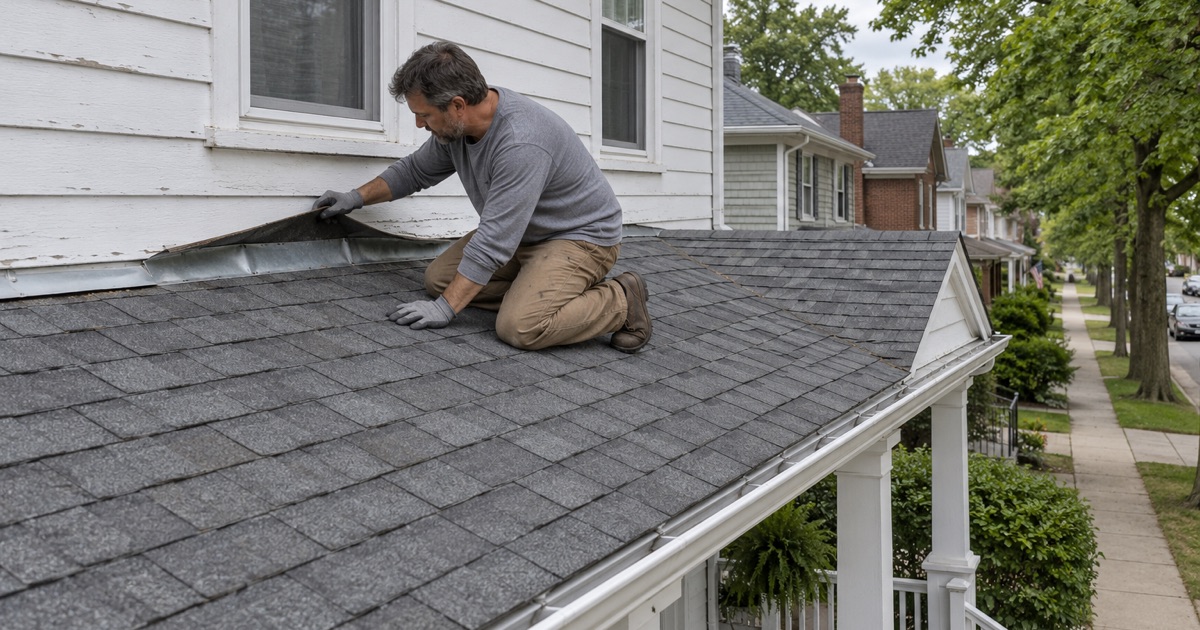
The City of Woodbury inspects homes at two points. Every residential unit must be inspected by the Housing Department and receive a Certificate of Occupancy before it is sold, whether it is a rental or owner-occupied, and before a rental unit changes occupancy. That second trigger is the one landlords feel most often, because it comes up every time one tenant leaves and another moves in.
Who Is Affected
The numbers explain why this matters so widely in town. The Census Bureau’s 2024 five-year estimates count 1,457 of Woodbury’s 4,206 occupied homes as rented. Each of those units passes through the inspection at every change of tenant, and every owner-occupied house passes through it at sale, so a large share of the city’s roofs come under an inspector’s eye at some point.
Rental owners also file paperwork alongside the inspection. The city asks every residential rental to submit a Landlord Registration Form and a Landlord Licensing Form, and the registration form goes with each change-of-occupancy inspection and any change of ownership. The city’s housing page describes inspections tied to a sale or a new occupant; it does not describe a yearly cycle.
Where We Fit, and Where We Don’t
We want to be clear about our role. The inspection belongs to the city, the inspector makes the call, and we have no part in that process. What we can do is look at the roof and the attic ahead of time, tell an owner honestly what we find, and fix the things that are actually wrong before the appointment arrives.
That honesty runs in both directions. If the roof is sound, we say so and leave it alone. If a section is worn out, we explain why a patch will not hold and what the replacement would involve. Owners heading into a closing or a turnover deserve a straight answer, not a sales pitch timed to their deadline.
Looking for roofing closer to Middle? See Roofing Services in Middle.
What the Checklist Asks of a Roof
The city publishes a Residential Housing Inspection Checklist, revised in June 2023 and issued from 33 Delaware Street. It describes itself as a guide to what is looked for during a housing inspection, drawn from the State of New Jersey Housing Code and local housing ordinances. Three items in its maintenance section bear directly on a roof and on the rooms beneath it.
In Good Repair
Item 10.1 asks that the foundation, floors, walls, ceilings, doors, windows, roof and other parts of the structure be in good repair. That is broad language, and it is worth reading as written. It does not name shingle types, roof age or any particular material. It asks whether the roof, as part of the structure, is being kept up.
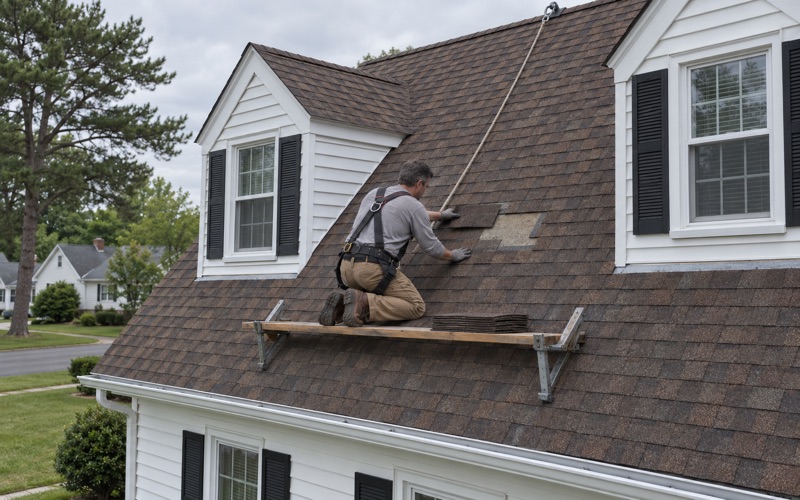
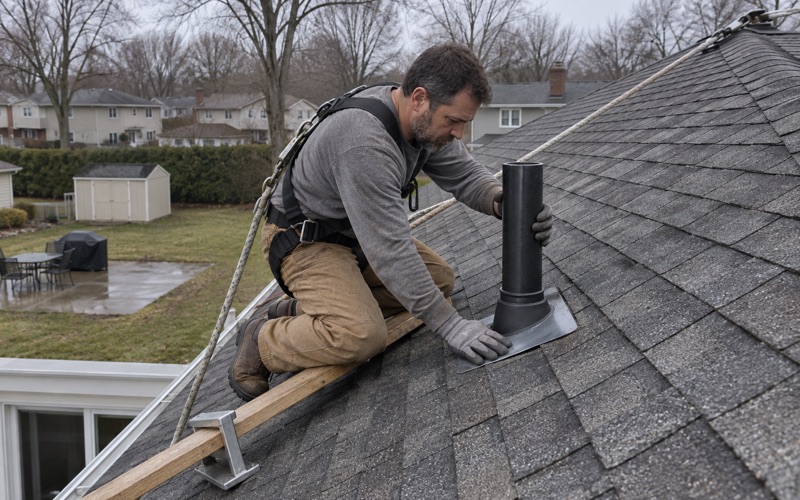
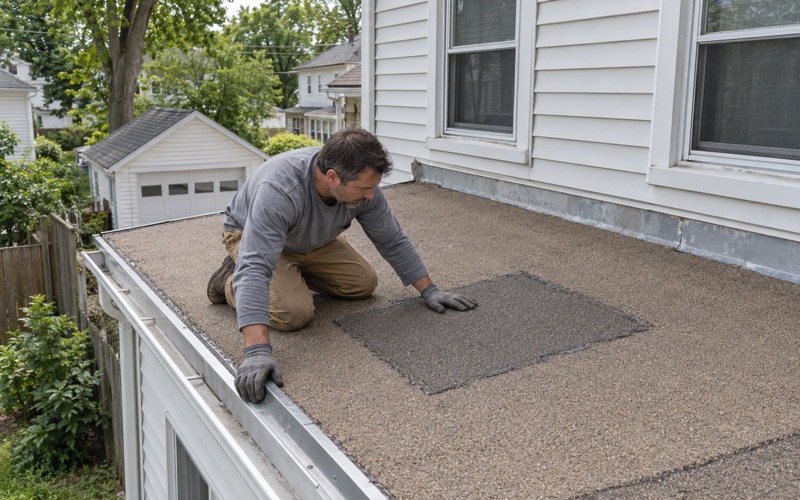
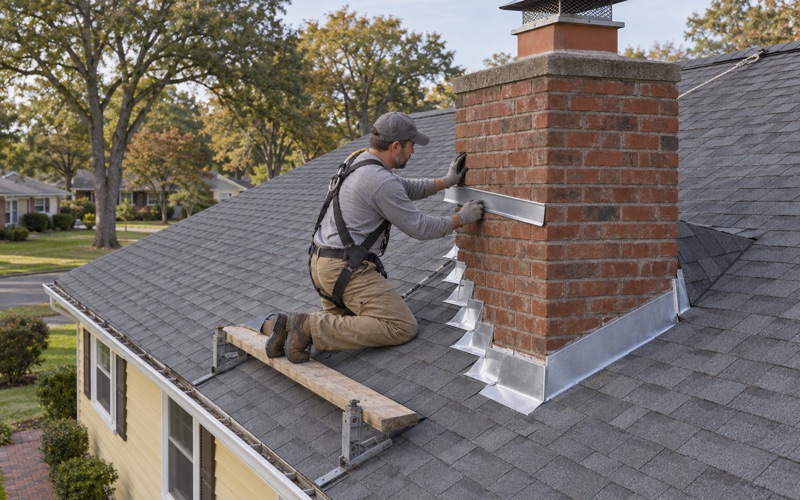
For a roofer, good repair usually comes down to visible condition. We look for missing or lifted shingles, cracked pipe boots, flashing pulling away at a chimney or wall, and drip edge that has bent or rusted through. Each of those is a small job on its own, and each is the kind of thing that turns into a larger one if it is left alone through another season.
Free From Holes and Leaks
Item 10.4 is the most direct: the roof, windows, walls and exterior doors should be free from holes and leaks. A roof can look tidy from the sidewalk and still let water in at a valley, around a vent, or where an addition meets the main house. That is why we go into the attic on every leak call before we price anything.
In the attic we look for darkened decking, wet insulation, rusted nail tips and daylight showing around penetrations. Those signs tell us whether the water is coming through the field of the roof or through flashing. The answer decides whether the fix is a few shingles and a new boot, new step flashing along a wall, or something larger.
Chronic Dampness and Ceiling Stains
Item 10.5 asks that foundations, floors and walls be free of chronic dampness, and the checklist separately asks that interior paint and wallpaper be in good condition. A slow roof leak shows up in exactly those places: a brown ring on a ceiling, paint bubbling near a corner, or plaster that stays soft after a storm has passed.
Repainting a stain without stopping the water only hides it until the next heavy rain. We trace the moisture back to its source first, repair the entry point, and let the owner handle the interior once the roof is tight. The checklist does not say what happens when an item is not met, so we never promise an outcome; we simply fix what is leaking.
Older Woodbury Houses Before a Sale
Woodbury is an old city. It was founded in 1683 by Henry Wood, formed as a borough in 1854 and reincorporated as a city in 1871, and its housing reflects that long history. The 2024 five-year estimates count 1,631 of 4,718 housing units as built in 1939 or earlier, and 2,523 built before 1950. Only 191 date from 2000 or later.
What Age Does to a Roof
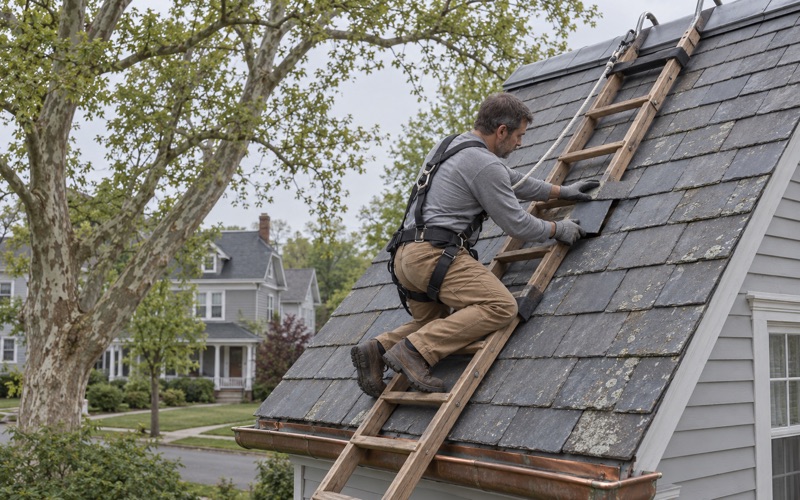
A house that old has usually been re-roofed several times, and each round leaves its own marks. We often find layers stacked over older layers, decking boards that have been patched in different eras, and flashing that was sealed over with tar or caulk rather than replaced. None of that is unusual, but it does mean the attic tells more of the story than the shingles do.
The framing in an older house can also be uneven, so a roof that looks wavy is not always failing. We sort out cosmetic irregularity from real deterioration before we suggest anything. A seller should not spend money on a full replacement to fix a ridge line that has looked the same for decades, and we will say so plainly.
Repair Before Replacement
When a pre-sale check turns up a problem, our first question is whether a targeted repair will solve it. A torn section of shingles, a cracked boot or a failed chimney flashing can usually be fixed without touching the rest of the roof. We give that answer before replacement ever enters the conversation.
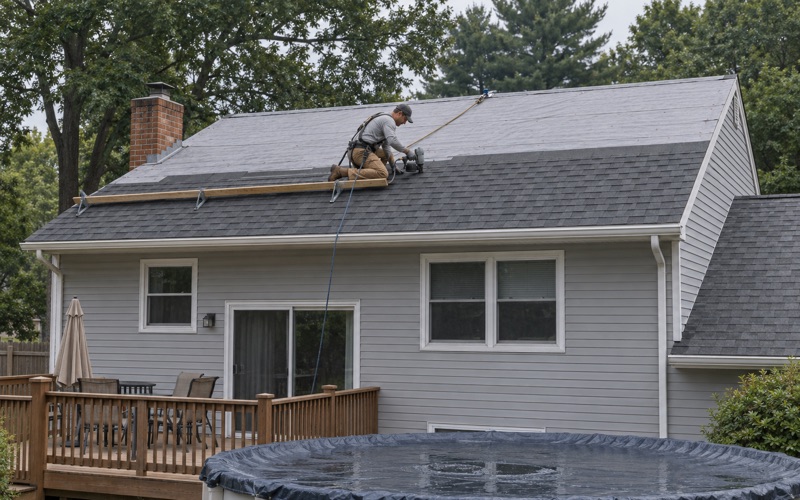
If replacement is the honest recommendation, the written scope lays out each part of the job, and the contract follows New Jersey’s home improvement rules, including the written agreement and the three-day cancellation notice. On a timeline driven by a closing, that clarity helps both sides of the sale understand exactly what is being done and what it costs.
Decking Surprises on a Tear-Off
Old houses hide decking problems until the shingles come off. When we find rotted or soft boards, we photograph them and show the owner before any are replaced, and the per-sheet price is already written into the contract. Nobody learns about an extra charge after the fact.
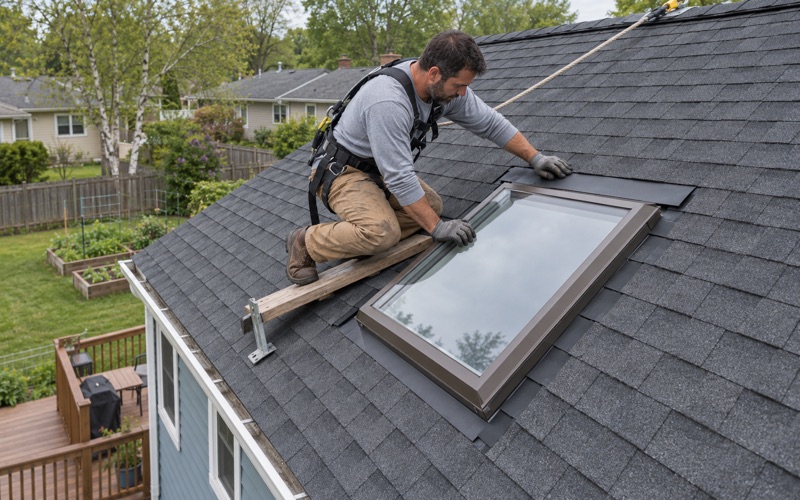
We also replace flashing at chimneys, walls, skylights and roof-to-roof joints rather than caulking over the old metal. On an older house with a chimney and a couple of additions, those joints are where most leaks start, so doing them properly during a re-roof is what keeps the next inspection from finding the same stain.
Two-Family Rentals and Roof Upkeep Between Tenants
Woodbury has a notable stock of two-unit buildings: 381 units sit in two-family structures, and 298 of those are rented. For an owner who lives in one side and rents the other, or who rents both, each tenant change brings another inspection, and the roof over both units is the same roof.
Using the Gap Between Tenants
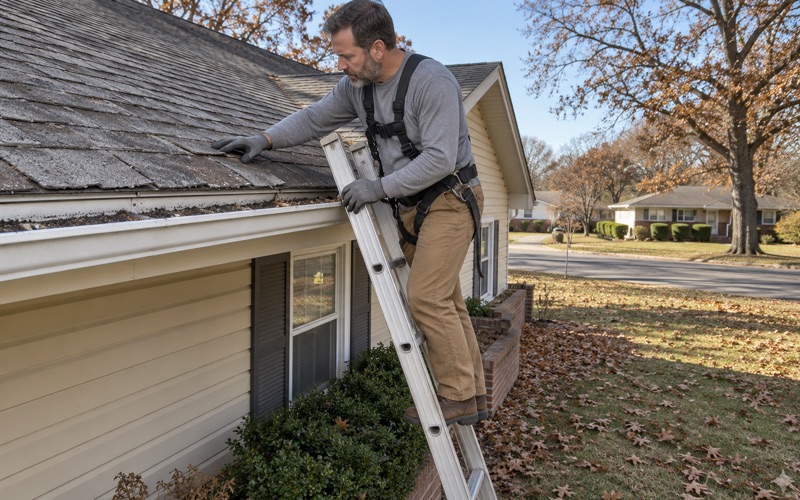
The stretch between one lease ending and the next one starting is the easiest time to look at a roof. An empty unit means we can reach the attic hatch, check ceilings in every room, and work without disturbing anyone’s daily routine. We schedule around the move-out date so the roof work is finished before the new tenant arrives.
A short visit at turnover also catches problems while they are still small. A pipe boot that has started to crack or a few shingles lifted by wind are inexpensive repairs now. Left through another lease, they can become a stained ceiling in the unit below and a much larger bill for the owner.
Keeping the Property Clean
Rentals often have tenants in the other unit while we work, so cleanup matters. At the end of every work day we clear the yard, driveway and gutters and run a magnet sweep for roofing nails. Neighbors, tenants and their cars should not pay for our work with a flat tire.
When it comes time to choose shingles on a two-family house, we bring samples to the property and hold them up against the brick, siding or stone. Seeing the color against the actual building is far more reliable than picking from a small chip, and it keeps both halves of the house looking like one property.
Storms and Insurance Claims
Woodbury sits in National Weather Service forecast zone NJZ017, Gloucester, covered by the Mount Holly office. When a storm does damage a rental roof, we photograph what we find and write it up so the owner has documentation for their own claim, and our crew will meet the adjuster on site if asked.
That record is useful whether or not a claim goes forward. It gives the owner a dated account of the roof’s condition, which helps when planning repairs around a tenant change or a sale, and it shows exactly what was damaged, what we fixed, and what was left alone because it did not need work.
- 20+ Years in Roofing
- Attic-First Leak Checks
- Line-Item Written Scopes