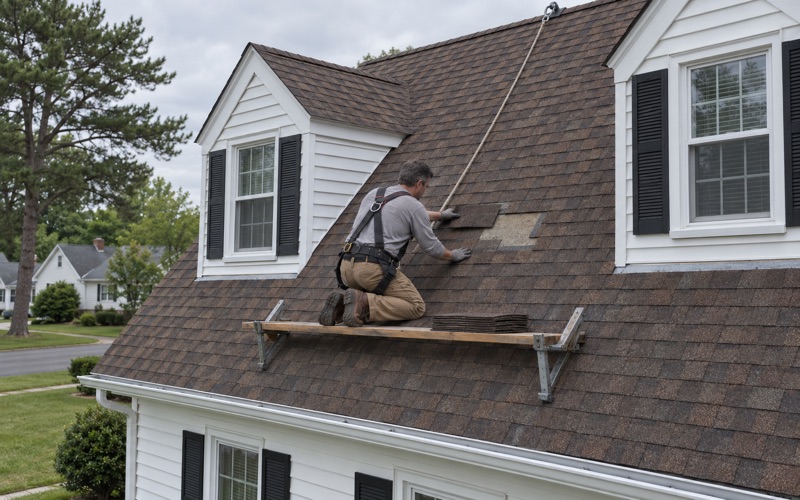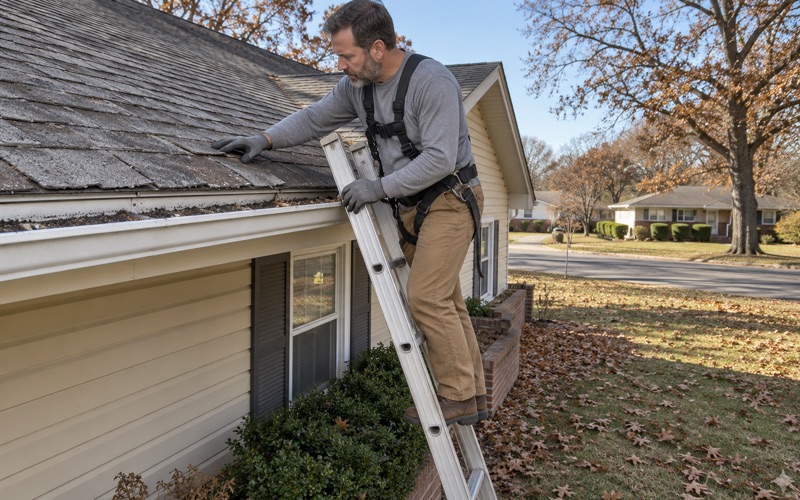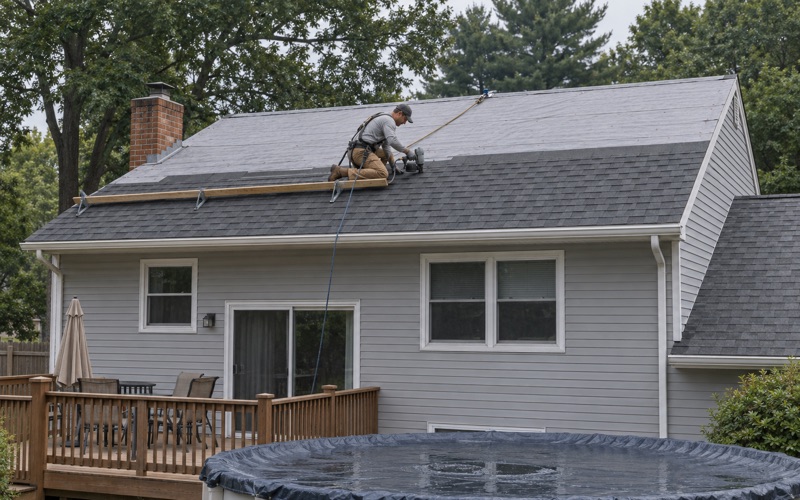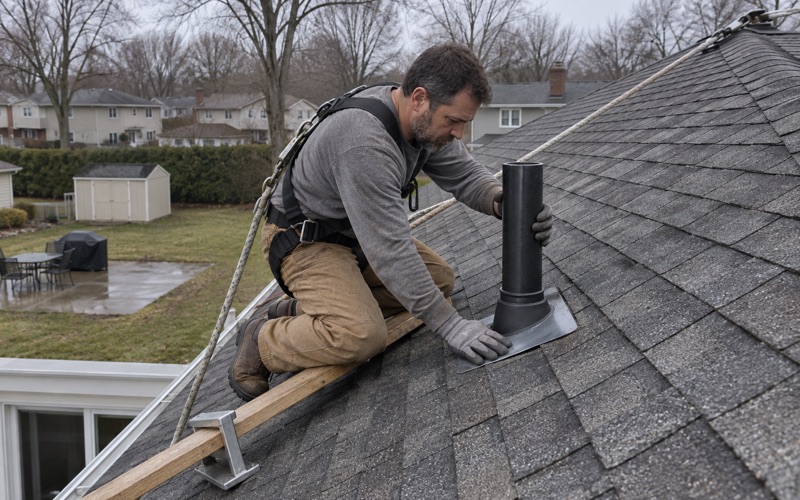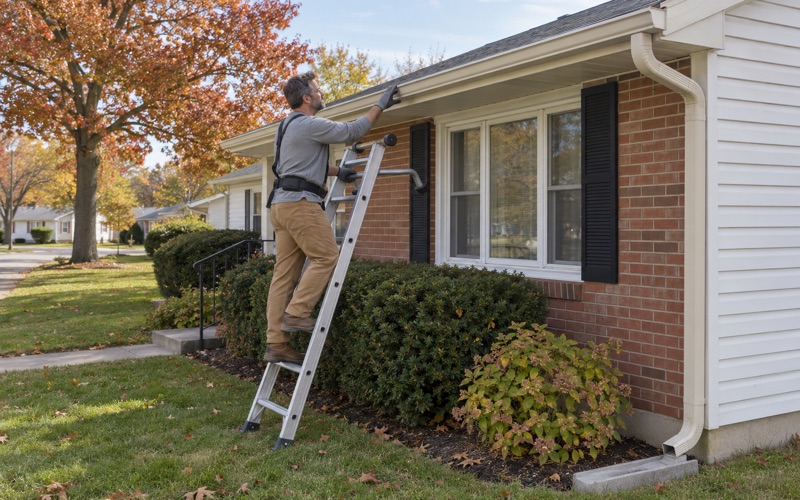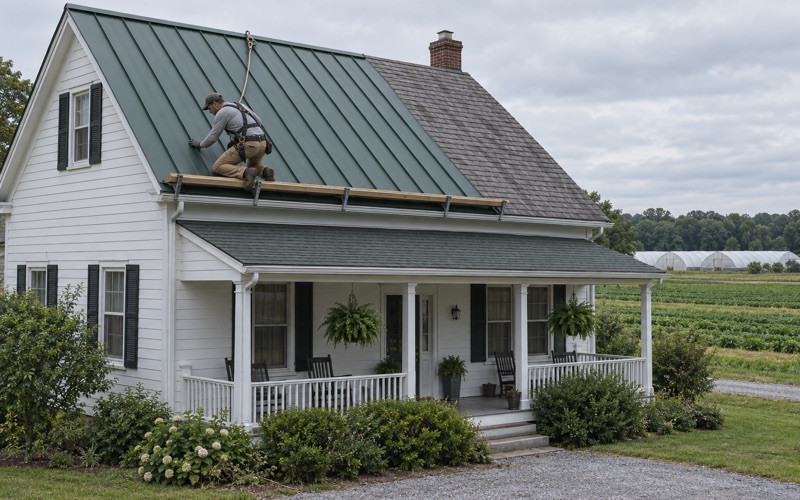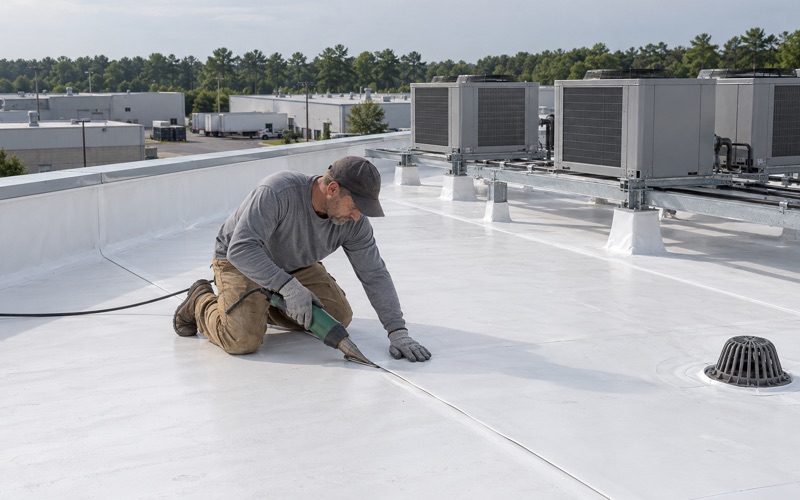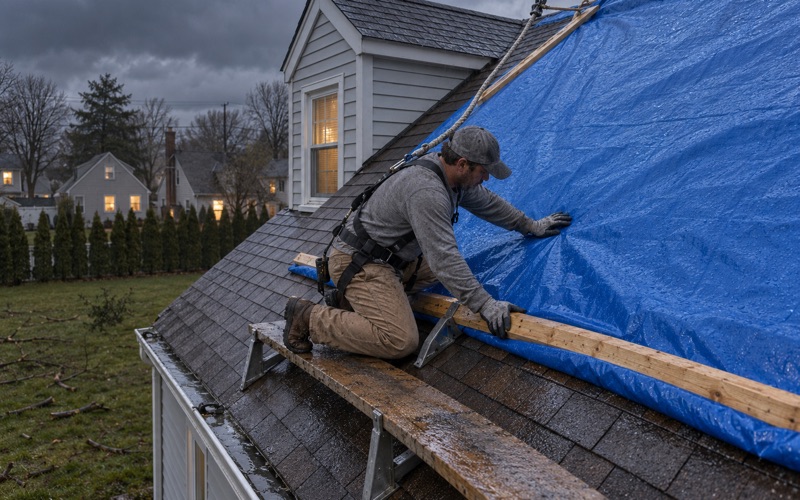
Vineland Elite Roofing brings more than 20 years of roofing in Maurice River to a job that starts with a question many roofers skip: does this house sit in a mapped flood zone? On a floodplain parcel, the price of a new roof is more than a line in a household budget. It can become part of a federal calculation that decides what else the house has to do.
That is why our estimates begin with where the house sits and what the roof is actually doing. Every leak call includes a look in the attic as well as on the shingles, so we price the real entry point. We also tell you plainly whether a repair will hold before anyone brings up a full replacement.
When a new roof is the right answer, we write the scope so it reads as clearly to a floodplain reviewer as it does to you. The sections below cover the flood exposure here, how roofing costs count toward the substantial improvement threshold, why houses older than the first flood map need extra care, and how we handle storm damage.
Flood Exposure Along the Bayshore and the Riverbank
What the Township Numbers Show
The Rutgers New Jersey Climate Change Resource Center ran a flood hazard assessment for Maurice River Township that counts a parcel as flooded once 60% of it is underwater. Of 1,326 residential parcels, 240, or 18.10%, reach that mark in a 1% annual chance event, the storm usually called the 100-year flood.
The same study steps through tidal scenarios measured above mean higher high water. At 2 feet, 89 residential parcels flood, or 6.71%. At 3 feet the count is 133, or 10.03%, and at 7 feet it climbs to 402, or 30.32%. Those figures describe the township as a whole, not any single lot.
Reading a Screening Study Correctly
Rutgers describes the assessment as screening-level only and not for permitting, and it ignores berms, levees and dikes. That makes it a good guide to where we should ask more questions, but it cannot tell you what your own parcel will do in a storm. Your flood zone designation comes from the official map, not from the study.
For floodplain purposes, the township takes part in the National Flood Insurance Program as FEMA community 340172A. Its current effective flood map is dated June 16, 2016, and the community carries no Community Rating System class. When you call us about a roof, that map is the reference we ask you to check first.
Heislerville, Dorchester, Leesburg and East Point
Most of the exposure in the Rutgers study sits along the bayshore at the south end of the township, in Heislerville, Thompsons Beach and East Point, and along the bank of the Maurice River itself. At an address in one of those places, we raise the flood zone question before a single measurement is taken, because the answer changes how the estimate should be written.
Upriver, Dorchester and Leesburg grew up around shipbuilding, and a house near the water there gets the same first question. Down at East Point, the red metal roof on East Point Light, part of a historic district listed on the National Register in 1995, is a landmark rather than a customer roof. It is still a fair picture of how exposed the bay edge is.
Looking for roofing closer to Bridgeton? See Roofing Services in Bridgeton.
How a Roof Counts Toward the 50% Substantial Improvement Line
What FEMA Includes in the Total
Under the National Flood Insurance Program, a community decides whether work on a floodplain building equals or exceeds 50% of the building’s market value. Work that crosses that line is a substantial improvement, and floodplain requirements can then reach the building as a whole. FEMA’s Substantial Improvement/Substantial Damage Desk Reference, publication P-758, is the guide used for that decision.
Section 4.4.1 of P-758 lists the costs that must be included, and under structural elements and exterior finishes it names roofing, gutters, and downspouts. A roof replacement on a floodplain house therefore counts toward the threshold, alongside any other work done on the building at the same time. A roof planned together with a kitchen or an addition adds to one combined figure.
What Can Be Left Out
Section 4.4.2 allows certain costs to be excluded, including permit fees, plans, land survey, clean-up and outside improvements. Because the included and excluded items sit side by side on a real job, our written scopes break the roof into separate lines for tear-off, decking, underlayment, flashing, ventilation and gutters.
That layout serves two readers. You can set our estimate next to another contractor’s and compare each item directly, and anyone checking the job against the threshold can see exactly which dollars are roofing. Seamless aluminum gutters and leaders get their own line too, since gutters and downspouts belong on the included list.
Keeping the Final Price Predictable
Hidden decking damage is the usual way a roof price climbs after work starts. When the old roof comes off, we photograph any damaged sheets and show them to you before replacing anything, at a per-sheet price already set in the contract. The final figure stays close to the estimate, which matters when the total is being measured against a line.
FEMA’s preface notes that more restrictive state or local requirements take precedence. We have not reviewed the township’s own floodplain ordinance, and it may be stricter than the federal baseline, including in how it counts work over time. Before a roof goes on a house in a mapped flood zone, confirm with the township how the job will be counted.
Older Houses Built Before the 1978 Flood Map
Pre-FIRM Houses and the Threshold
The township’s initial flood hazard boundary map is dated May 31, 1974, and its first Flood Insurance Rate Map followed on January 19, 1978. Census estimates put 737 of 1,128 housing units, or 65.3%, as built before 1980, and 347 of them, or 30.8%, in 1939 or earlier.
A house built before the first rate map and sitting below the flood elevation is the kind the substantial improvement rule is written to reach. On a pre-FIRM house, a roof that would be routine elsewhere deserves a flood zone check first, so the combined total of everything planned is known before you commit to any of it.
What an Older Roof Can Hide
An older roof can carry more than one layer of shingles, worn flashing and decking that has seen decades of small leaks. We take the roof down to the deck, inspect what is there and walk you through any sheets that need to change, with photos. Drip edge goes back at the eaves and rakes, and ASTM D1970 self-adhering ice and water barrier goes in at the eaves and valleys.
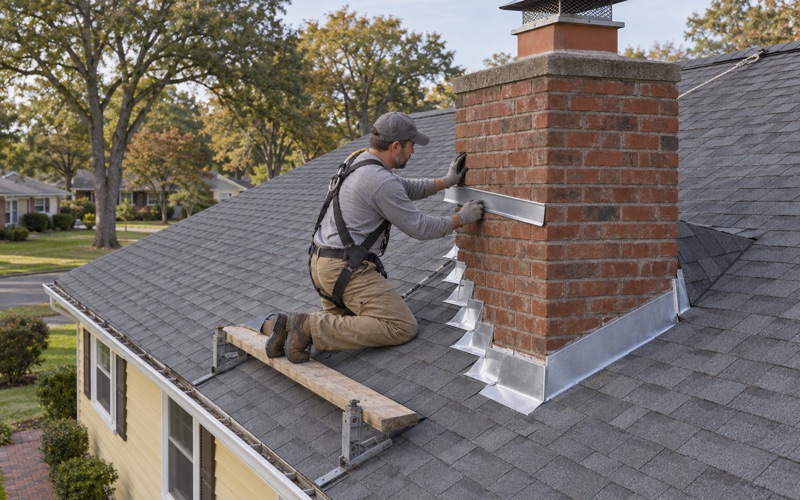
Flashing is where older houses tend to leak, especially at chimneys and where an addition meets the original roof. When we redo a roof, step flashing and counter flashing are replaced rather than caulked over, and we add a chimney cricket or kick-out flashing where the layout calls for one. Ventilation is balanced with ridge vent and soffit intake.
Repair or Replace on a Pre-FIRM House
New Jersey treats certain roof covering work on detached one- and two-family dwellings as ordinary maintenance under N.J.A.C. 5:23-2.7. That building code question is separate from the floodplain question, and a homeowner should have both answers before choosing between a repair and a new roof.
Our attic inspection is what makes that choice honest. If the leak traces to a failed pipe boot or a short run of flashing, we say so and price the repair. A sound repair keeps the roof dry without adding a full replacement to the total, and we will tell you when a repair will not hold rather than patching the same spot twice.
Storm Repairs After a Flood or Nor’easter
Documenting Damage for Your Claim
Forecasts for the township come from the National Weather Service office in Mount Holly under forecast zone NJZ021, so that is where watches and warnings for an approaching nor’easter will appear. After a storm passes, call us early so the damage is recorded before weather makes it worse.
We photograph storm damage and write it up for your own insurance claim, and our crew will meet your adjuster on site when you ask. New Jersey sets claim settlement time frames under N.J.A.C. 11:2-17, so a clear written record from the start helps keep a claim moving.
Substantial Damage After a Flood
The same FEMA desk reference covers substantial damage, where the cost to restore a damaged building reaches 50% of its market value. Roofing, gutters and downspouts count in that figure as well. After a flood, a written breakdown that separates roof damage from water damage inside the house gives the township a cleaner picture of the total.
We write roof storm repairs with the same separate lines as a replacement, so wind damage to shingles, lost flashing and damaged gutters each show their own cost. That record is yours to share with your insurer or the township, and it saves rebuilding the numbers later.
Rebuilding the Roof to Hold
When a storm-damaged roof is replaced, we can quote architectural shingles rated to ASTM D7158 Class H or ASTM D3161 Class F for wind resistance, or standing seam metal roofing. Shingle color is chosen against the siding, brick or stone on your house, with samples held up on site rather than picked from a small chip.
Our contracts follow New Jersey’s home improvement rules, including a written contract and the three-day cancellation notice. At the end of every work day the crew cleans the yard, driveway and gutters and runs a magnet sweep for nails. Barns, sheds and other outbuildings are quoted and scheduled around the working season as well.
- 20+ Years in Roofing
- Attic-First Leak Checks
- Line-Item Written Scopes